

 Trang chủ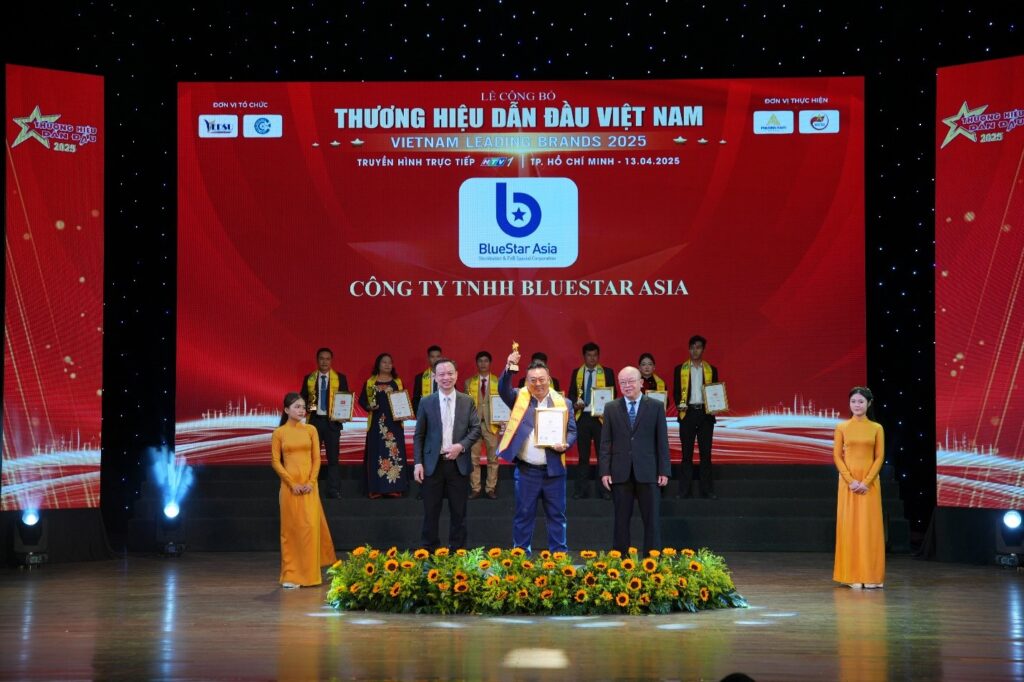
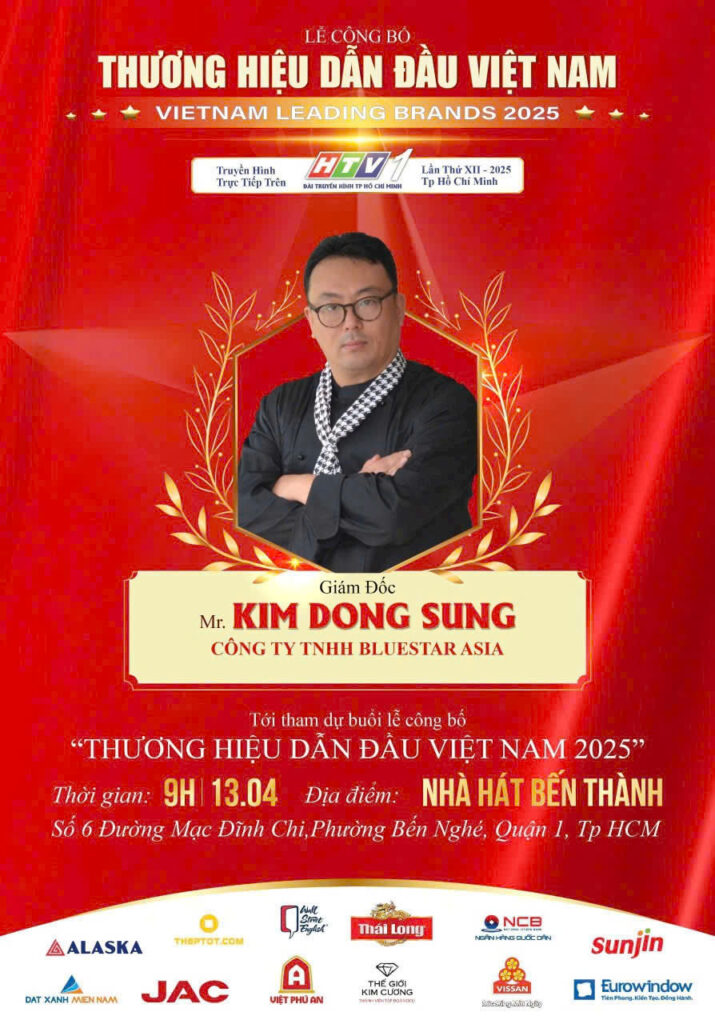
Bluestar Asia proudly earned the title of “Top 10 Leading Brands in Vietnam” at the 12th edition of the program in 2025.
Lưu trữ tác giả: admin
News
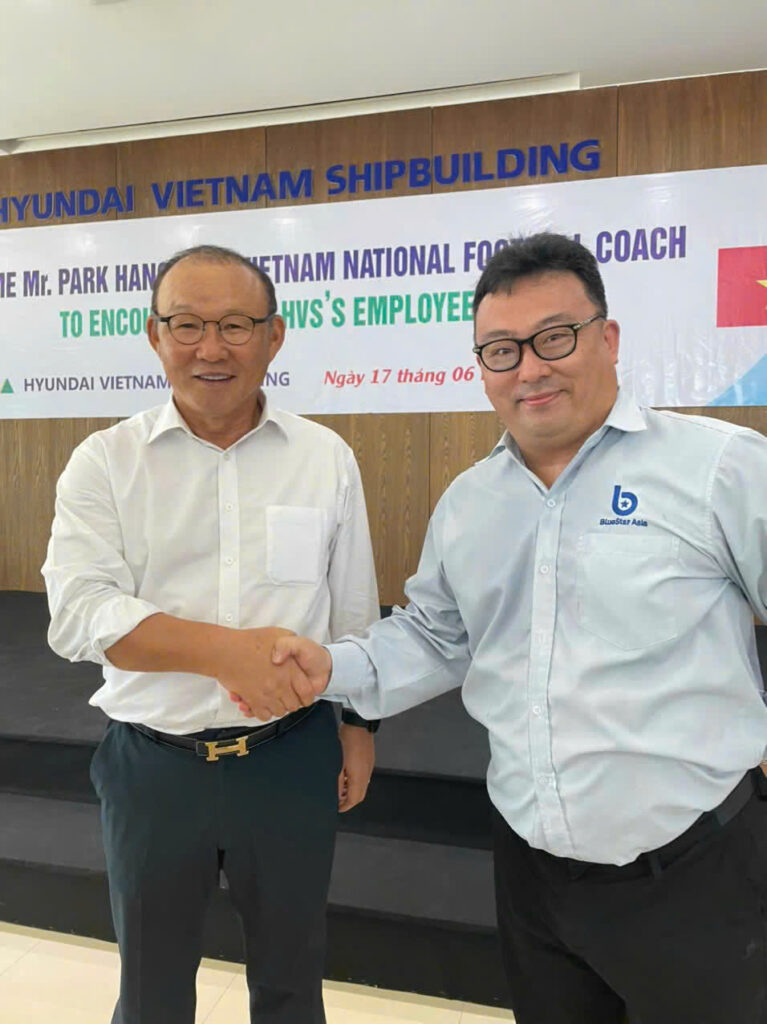
BlueStar Asia Accompanies Hyundai Vietnam Shipbuilding in Welcoming Park Hang-Seo During His Visit
13
Th4
Th4
BlueStar Asia Accompanies Hyundai Vietnam Shipbuilding in Welcoming Park Hang-seo During His Visit
13
Th4
Th4
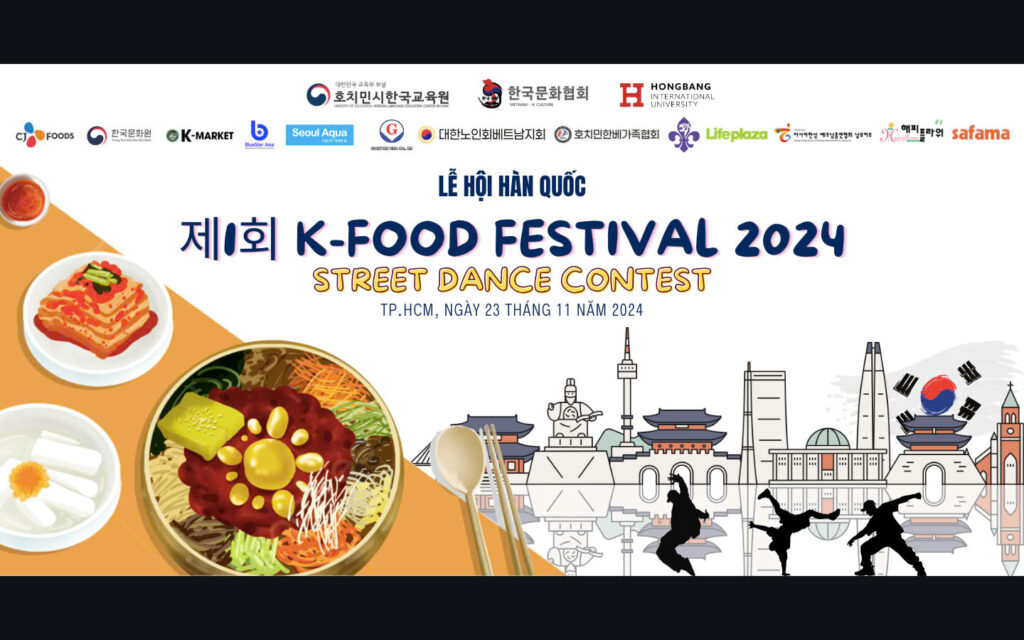
A Colorful Cultural Explosion at the “Viet Nam ~ K-Food & Street Dance Festival 2024”
Internal company operations
Vision 2030 – Bluestar Asia and the aspiration to elevate Korean cuisine in Vietnam.
11
Th3
Th3
Sustainable Development Strategy: The Korean food market in Vietnam is entering a fiercely competitive phase. To maintain its position, the leadership of Bluestar Asia Co., Ltd. has set out a long-term strategic vision, focusing on three main pillars: Digitalization of management, Diversification of product portfolio, and Development of high-quality human resources. Bluestar Asia is gradually transforming its internal […]
Internal company operations
The Product Journey – A Rigorous Internal Control Process at Bluestar Asia

11
Th3
Th3
Introduction: Behind every jar of kimchi lies a perfect operational process. When a Korean food order reaches the consumer, few know the arduous and disciplined journey that product has undergone within the Bluestar Asia Co., Ltd. system . To maintain our reputation as a reputable supplier, we have standardized our internal control process from warehousing and storage to […]
Internal company operations
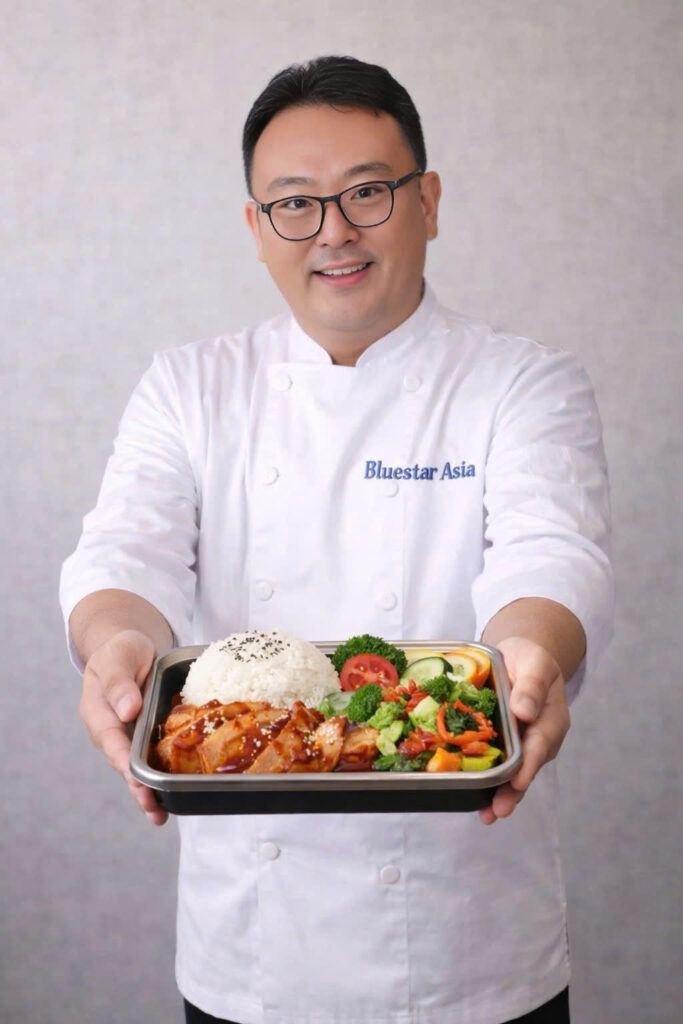
Bluestar Asia Culture – Where Friendship and Professionalism Intertwine in Every Product
11
Th3
Th3
Introduction: Human Values Are at the Core of Success. In the food import, export, and distribution industry, especially for Korean food, which demands sophistication and meticulousness, the human element is always paramount. At Bluestar Asia Co., Ltd. , we view our employees not just as workers, but as “cultural ambassadors.” Bluestar Asia’s internal culture is built on the […]
11
Th3
Th3
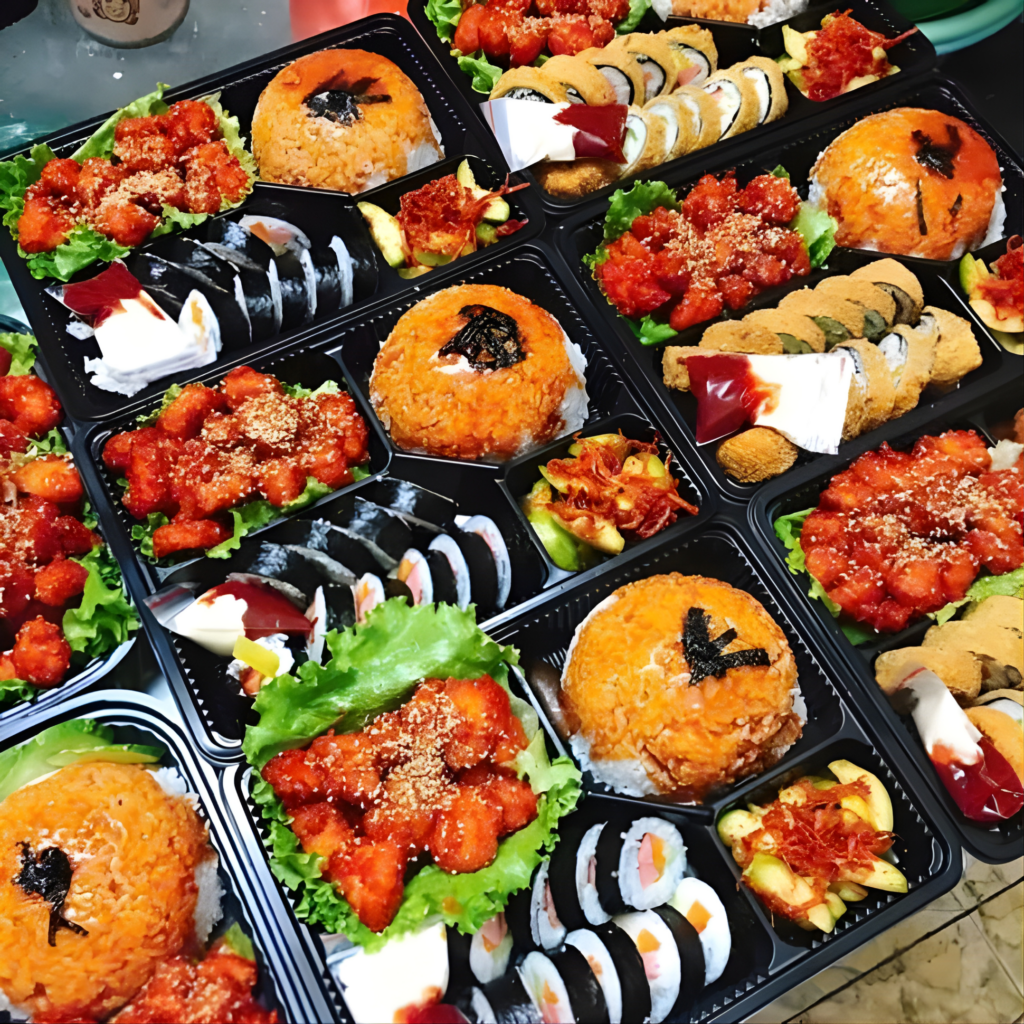
The allure of “Pojangmacha”: If the Bapsang (traditional Korean meal) represents traditional values, then street food in markets like Gwangjang or Myeongdong represents the dynamism and youthfulness of Korea. The orange tents (Pojangmacha) are where people find solace after a hard day’s work with spicy Tteokbokki, hot Odeng fish cakes, or sweet Hotteok pancakes. Global Spread […]
11
Th3
Th3
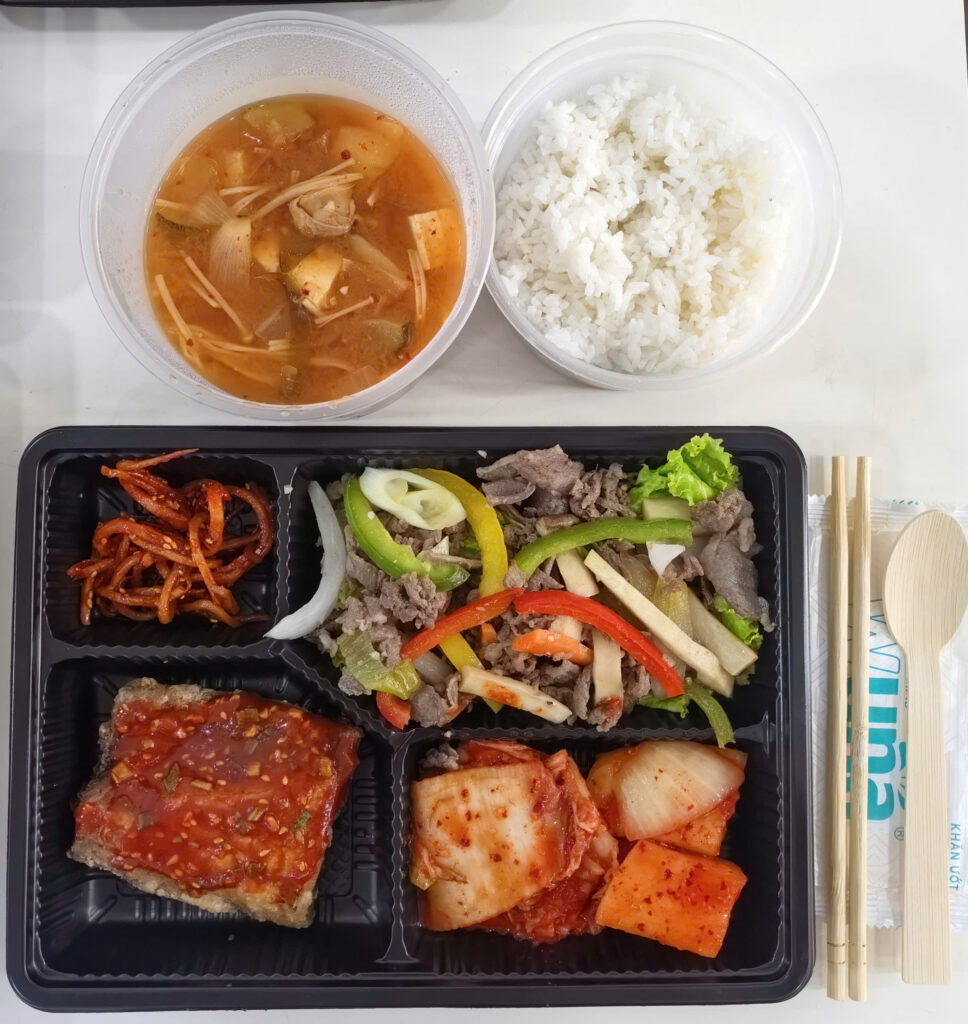
Kimchi – An Intangible Cultural Heritage. It’s no coincidence that South Korea is called the “Land of Kimchi.” Kimchi is not just a dish; it’s a national symbol. The process of making kimchi (Kimjang) has been recognized by UNESCO as an intangible cultural heritage of humanity. This is the time when members of the community gather […]
11
Th3
Th3
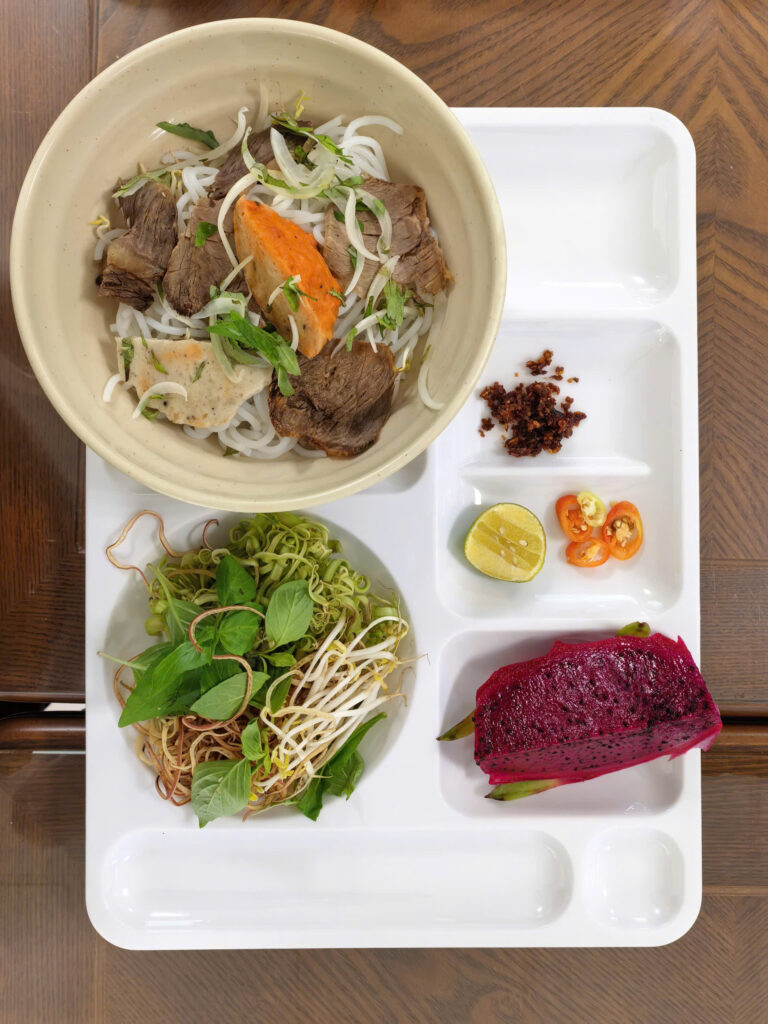
Discover the structure of a Bapsang meal. “Bap” in Korean means rice, and “Bapsang” means a meal platter. The biggest difference between Korean cuisine and that of other countries is the presence of side dishes (Banchan). In a traditional Korean meal, rice and soup are the main courses, but the number of Banchan surrounding them is […]
Korean food culture
The “Yak-sik-dong-won” Philosophy – When Food is Medicine and the Art of Balancing the Five Colors
11
Th3
Th3
Introduction to the Origins of Korean Cuisine: Korean culinary culture (Hansik) has long been famous worldwide not only for its distinctive flavors but also for the profound philosophy embedded in each dish. Koreans believe in the saying “Yak-sik-dong-won,” meaning “Food and medicine share a common origin.” A truly meaningful meal is not just about satisfying hunger, […]
- 1
- 2